Saturday, May 14, 2016

Growing Safe Flowers and Herbs for your Bird

People who love birds often love flower gardens also.  Did you know some flowers and most herbs are safe, nutritious, and quite yummy to feed your bird?

To be sure the plants and flowers are edible make sure they are grown without the use of pesticides and other harmful additives.  Even better, you can grow a few for yourself in pots or any garden area.

Although all of the plants and flowers we have listed are considered edible, it's always a good idea to only feed a small portion initially to your bird.  For example, parsley is considered safe and edible, yet I had a budgie named BlueBell who loved it, but it always made her throw up.  No other bird in our home had that reaction.  So although a flower or plant is considered safe, a bird may still have a sensitivity that is not common.

Here is a few healthy, yummy, easy flowers and herbs to start with.  You might find you enjoy them as much as your bird.


Basil is highly fragrant herb with a pungent and peppery taste.  Easy to grow in containers.


Bee Balm tastes like a mixture of peppermint and spearmint with a touch of oregano.  Interesting and quite lovely to grow.  Bees and butterflies love it too.


Borage leaves and flowers smell and taste kind of like cucumber and can be added to salads.  The lovely blue flowers are neat.  Not the prettiest plant, but a good one to 
try.  


Chamomile leaves and flowers have an apple or pineapple taste, and are great also in a salad as well as in tea.  The flowers are pretty and daisy-like and make a great addition.  Chamomile is known for its calming influence, and you might notice it helps calm your parrot a little too.


Chives (Allium schoenoprasum) have lovely pink pom-pom like flowers and the flowers do have a mild onion flower.  Easy to grow in containers.


Daisies (Bellis perennis) have yellow and white flowers that have a mint or clover flavor and are so pretty growing in the garden.


Although dandelion flowers are considered unwanted weeds by many, they are a super nutritious addition when picked young.  The yellow blossoms have a honey flavor and are very nutritional.  

Fully mature flowers turn white and are bitter and not recommended.


White fragrant gardenias are a great addition to the garden with a delicate taste and a fabulous aroma.  


Tropical Hibiscus flowers are not only beautiful but fun for your bird to eat.  Although the flowers tend to have an acidy taste, most parrots seem to love them.


Honeysuckle flowers are small white or yellow trumpet shaped blossoms and they are sweet and as delicious as they smell.  Lories in particular love these flowers.  

NOTE:  Only the blooms should be fed to your bird, not the leaves and absolutely none of the berries they produce.  


Impatiens (Impatiens wallerana) are found in many colors and the blooms have a mild sweet flavor.  Add them to your salads and drinks too.


Milk Thistle (Silybum marianum) has purple flowers that are edible as well as the leaves as well as the milk thistle seeds produced.  

Milk Thistle is known for its benefits to the liver and can be a great healing flower for a bird with liver problems.  The leaves taste similar to spinach, just a little bitter and with an earthy taste.


Nasturtiums (Tropaelum majus) have red, yellow, and orange flowers and both flowers and leaves can be eaten.  They tend to taste a little sweet at first, then the taste blends into a rather hot and peppery radish flavor.  Birds tend to love them.


Pansies (Viola X Wittrockiana) come in many colors such as purples, whites, yellows, blue, etc., and have a sweet yet tart flavor. Although I haven't personally tried one, I'm told the blue flowers have a mild wintergreen flavor.


Petunias (Petunia hybrida) have flowers in many many colors these days.  The flowers have a mild flavor.


Roses (Rosa spp) are some of the tastiest flowers and can have a slightly fruity flavor as well as an awesome fragrance.


Rosemary has tiny flowering blooms and makes a really cool looking container plant.  Rosemary is great to add to many grilled dishes also.


Sage can have lavender blue flower spikes on some varieties.  The flowers definitely have a strong sage flavor.


Sunflowers (Helianthus) have yellow black-eyed centers.  If you let them mature, they will contain those seeds that many parrots just find so yummy. 


Thyme has a slight minty flavor and is often used in many cooking dishes as well.


In Summary:  There are many more plants, herbs, flowers, and such that can be safe for your bird.  Start with a few, then do some research and experiment with flavors and colors, and find what you and your bird enjoy the most.  Just remember to always use caution with new foods to make sure both you and your bird are not sensitive to it.

Friday, May 06, 2016

Spring Painting and your Bird


Got the spring cleaning bug?  Having the urge to do some freshening up which might include painting a wall or a room?

Plan carefully to avoid any dangers to your bird.  To understand why birds are so sensitive to anything in the air including odors of cleaners and paint, let's take a quick look into how a bird's unique respiratory system works.

Birds are very different than us and their respiratory system is much more complex.  Air enters through the bird's nares, then passes through the sinuses, and then into the throat.  There is a small slit in the roof of a parrot's mouth called the choana which helps clean and warm the air taken in.  Then the air passes on through the larynx and trachea and into the bronchi, then the lungs, and onto the air sacs.  Now these air sacs reach all the way into the bones of the bird which helps with flight, but also means that anything the parrot breaths in, reaches far into the bird's body.


Dr. Greg Harrison, an Avian Veterinarian, explains that when a bird breathes in, some of the air is sent from the lungs to the air sacs.  When the bird breathes out, air passes from the air sacs back through the lungs a second time.  This means that each breath is basically sent through the bird's body twice so they take in twice as much of any toxin as we would.

According to Dr. Gregory Burket, an Avian Veterinarian, a parrot's respiratory system means the inhaled air stays in the bird's respiratory system longer, therefore making any toxin inhaled stay longer and cause more damage more quickly to the bird.

So, if you are planning on doing some painting this spring, removing your bird from the home before you begin and for a minimum of 48 hours after completion is the best idea.  If that's simply not possible, make sure your bird is as far away from the area being painted as possible.  Make sure windows in the painted room are open and the area is well ventilated.  Closing the room door and even laying a towel at the bottom of the doorway for extra containment helps.


There are more and more paints that say 0% VOC (volatile organic compounds) or low VOC.  When searching for the safest paints, try to find both “Zero-VOC” and “Non-Toxic”, using a “Zero-VOC” tinting system for adding colorant.  Labels that clearly state safe for babies, safe for people with asthma or respiratory problems are better to use.  Doing your homework before you begin, will help everyone stay healthy and happy.


Thursday, April 28, 2016

Organic, Natural, Holistic, Gourmet, Human Grade, Confused?


The labeling of bird food products can be over the top confusing for many of us.

Here are the label Buzz words 

Organic, that's supposed to be the best right?

All Natural, well of course I want natural foods because unnatural sounds, well, unnatural right?

Holistic, now that sounds like something I need for my bird to help stay healthy right?

Gourmet, that sounds yummy and nutritious and top-of-the-line right?

Human Grade Ingredients, oh my, if it's not human grade then whatever is it?

So let's break down these magical common words on labels and what they really mean for our birds.

Organic or Certified Organic:
Organic refers to the way ingredients are grown, harvested, and processed. Organic ingredients must be free of synthetic additives like pesticides, chemical fertilizers, and dyes, and cannot be processed using industrial solvents, irradiation, or genetic engineering.

If a bird food is 100% organic, the bird food may display the USDA Organic seal.

If a bird food is at least 95% content organic, the bird food may also display the USDA Organic seal.

If a bird food is at least 70% content organic, then “Made with Organic Ingredients” can be used on their label, but they cannot use the USDA Organic Seal anywhere on the product.

If a bird food is made up of less than 70% organic ingredients, then only those organic ingredients may be listed as organic on the ingredients listing, and no mention of ‘organic’ anywhere else on the product; the organic seal cannot be anywhere on the packaging.

All Natural:
To be considered all natural the bird food's ingredients must be derived solely from plant, animal, or mined sources (your guess is as good as mine on that last one).  However once gathered, the manufacturer can put the food through any type of manufacturing process that the company wants to, as long as they don't add anything synthetic to the food unless of course it's necessary to add it because it's being processed.  Right, like that's not really confusing.  So some all natural foods may not be quite as all natural as we would like. 

However the FDA does give us a little bit of a definition of natural: "For the most part, 'natural' can be construed as equivalent to a lack of artificial flavors, artificial colors, or artificial preservatives in the products."

Holistic: 
Sadly as far as bird foods go, there is no real legal definition for holistic foods.  So you need to thoroughly read the labels to find out what holistic means for that particular food.  What most of us want in Holistic bird food is a food with natural ingredients, no added chemicals or artificial anything, no antibiotics, hormones, pesticides, or dyes.  

I would want to see an ingredient listing of whole grains, fruits, vegetables, and healthy safe plant herbs, with no processed by-products.  It's okay if it contains some enhanced vitamins and minerals, but overall should have great ingredients and be good for my bird.

Human Grade Ingredients:
Means the bird food must be of a high enough quality to be consumed by humans and approved by the government  powers that oversee.

To truly contain All Human Grade ingredients the food would have to meet both requirements from the USDA for pet food, and the FDA for human food.  Although it can be done, there are probably not many bird food manufacturers able to fully meet these requirements.  Only bird food made in human grade facilities, subject to the inspections and approval necessary to have human grade status by the government, can be legally considered 100 percent human grade.

Gourmet: 
FDA labeling guidelines say: "Products labeled as premium or gourmet are not required to contain any different or higher quality ingredients, nor are they held up to any higher nutritional standards than are any other complete and balanced products."

So what that really means is that 'Gourmet' is a fancy word that sounds really healthy and super important, but doesn't guarantee the food actually is.  Thoroughly reading the ingredient listing will tell you how 'Gourmet' it truly is.

Non-GMO:
One last label distinction that is showing up more often is the use of Non-GMO on labels.  Non-GMO means "non-genetically modified organisms".  GMOs are created in laboratories by genetic modification/engineering techniques.  Doesn't sound very good, and it probably isn't, but I'm not getting into that debate in this article.  Some bird food manufacturers are now getting approval by the government to add this to their labels and I think that's a plus for all of us trying hard to feed the healthiest foods to our birds.

SUMMARY

Best advice is to always read the complete ingredients on every label.  Not every bird needs the same food ingredients so look for what is best for your particular bird.  Although higher priced doesn't always mean higher quality, it often can be, and as they say, sometimes you get what you pay for.  

Introducing your bird to fresh, cooked, as well as packaged foods, often makes for the healthiest diet, and lots of fun time foraging through it all.


Saturday, April 23, 2016

Don't Let Moths Drive You Crazy


Those Pesky Moths


There are two basic categories of household moths, the ones who invade your closet and chew holes in your clothing, and the ones that come from grain foods such as bird seed, as well as many other foods you bring home from the grocery store.  Have you ever walked down an aisle at a grocery store and spotted some moths flying around?  I have, as they can be found also in flour, corn meals, and such, and are not always brought home in the bird seed (although it usually is).


Bird seed is harvested and cleaned by the bird food manufacturers using machinery to sift and clean the food before packaging.  This does help catch and remove pests/bugs in the seed mix, and some companies do a better job than others. Since the food is going to be eaten by your bird, there are no pesticides used, so quite naturally there are going to be some bugs every once in a while no matter who the company is.  Shrink wrapping does help, but does not guarantee you will never see a moth.  

When the weather gets really warm, those little moth larvae seem to hatch out at an alarming rate and appear everywhere.  Freezing your bird seed for at least 48 hours as soon as you purchase it will help kill some of the pests in the seed mix.  Don't forget to do this also with wild bird seed if feed the outside birds as wild bird seed mixes are usually not cleaned thoroughly at all.  Keeping the seed in the freezer and only taking out what you need each week helps.  Keep the food in a sealed bag or plastic container during the week as you use it.
If you do have a moth outbreak, don't panic, simply control it to eliminate it with a few easy steps.

First, go on the hunt to vacuum as many moths as you can find.  Then thoroughly check your ceilings.  Yes those sneaky moths lay their larvae on the ceiling and you will find tiny while larvae or small worms (yes I know yuck) hanging out ready to hatch and start the cycle all over again.  Vacuum them off the ceiling wherever you find them.  Vacuuming may be a daily chore for a while until you can get things under control.  

The moth pest traps you can purchase from stores like the Nature Chest, do in fact attract and catch the adult flying moths.  They use a pheromone that attracts the moths into a sticky trap.  These moth traps are completely safe to use around your birds but you will want to make sure your bird cannot reach the sticky trap because they are really really sticky.

Do not make the mistake of thinking one little trap is going to handle a multitude of moths.  If you have a lot of moths to eradicate, you may need to place traps in several locations and check daily.  If the trap is not catching anything, then move it to a different location.  Depending on how many moths are flying around your home, the traps can fill within a month, or may last up to 6 months.

I have heard of the use of homemade moth-repelling sachets made up of some of the following: bay leaves, cinnamon sticks, cloves, eucalyptus leaves, lavender, pepper corns, or dried lemon peel.  I believe these remedies would work better for closet moths, more than preventing or chasing away kitchen/aviary type moths.  However, they would make your home smell really good.

Just remember moths and other bugs found in seed mixes are high in protein, so if your bird eats one, it's okay, and no they don't bite, and yes they are annoying.

Thursday, April 14, 2016

Protecting Floors from the Poop


Choose your Flooring


If you have hardwood floors, protecting the finish is very important.  Using an abrasive cleaner or scrubbing too hard, may damage the finish and even the wood itself.

Tile or concrete floors can be very hard to clean, especially if the poop has been left for a while and now seems to be permanently 'stuck'.

Carpeting can become stained and can be very hard to clean and brought back to it's original no stained look.  Some poops seem to have a permanent dye in them.

Although vinyl or linoleum flooring may be a little easier to clean off the dried-on poop, it is still may take a lot of scrubbing; not fun at all.


Here are a few ideas that might be helpful.


1. Place newspapers under the cage and play area and anywhere the poop might go.  For some messy birds, this might be a pretty wide area.

2.  If you don't like the look of printed newspaper, you can also go to your local newspaper's business location and ask for plain white paper.  Sometimes they will give it freely, or they might charge a small fee for this printing paper.  It may come in flat sheets, or in big rolls, and will probably last quite a while.  Just cut to the size you need, and then throw away as needed.

3.  If you do not like something that hides your nice pretty flooring, you can also purchase the large chair mats at office supply stores. They do usually have little grippies on the underside so be sure they don't damage your flooring defeating the whole purpose of using them.  They are made of tough material and are usually clear in color and much easier to spray with bird poop cleaner and wipe away, or mop with safe cleaning solutions.  They can also be cut with a little muscle, to fit the shape you need.

4.  If you need something with a smooth underside so as to not mar your floor, you can also purchase clear rubber or plastic runners in the carpet section of most big box stores.  They usually come in rolls and can be easily cut into the sizes you need.  Pretty easy to clean, and can be thrown out and replaced as needed.

5.  Check your local carpet stores for remnants that you can cut and use.  Often they will give them to you as they can't be used by the store any longer.  Sizes may vary a lot, so you may have to take what you can get, and shape to your area.  If you don't have to spend any money to get them, they are easy to throw out as needed and replaced with new squares or scrap pieces.

6.  Flat sheets can also be used to protect flooring.  Check out local thrift stores for less expensive pricing.  Lay flat, put cage or play area on top, and then when need wash sheet, or throw away and replace. With sheets you can go solid color, or liven up the area with the stylish print and color you and your bird like.

Hopefully, one or more of these ideas will help you keep the mess to an easier size job to clean, help protect your floor, and deal with the challenge of bird poop, scattered food particles, and other debris of Birdland. 

Saturday, April 09, 2016

Gardening for Parrots

If you are lucky enough to live where warm weather is springing upon you, you may already be planning some gardening.   If not, hopefully you will be enjoying the warmth of spring soon. Don't forget to include some vegetables and fruits in your garden for your birds.  Nothing beats fresh organic home-grown food for your bird.  

You don't need a large garden plot to garden for your parrot, a big flower pot, bucket, or plastic storage tub will all work just fine.  Add some drainage holes if necessary, and some good garden soil to get things started.  Plant some seeds or get a few plants already started, and let your green thumb and imagination shine.  

Visit our Pinterest Board "Gardening For Parrots" for some great plant suggestions and container gardening ideas.  

Click Here to Visit

Thursday, April 07, 2016

Spring Cleaning 101

Spring is a great time to thoroughly clean your Bird's Cage

Here are a few tips to help you out.

Tip 1 - Remember to remove bird from cage to fun play area with lots of things
 to keep your bird occupied before beginning. Some birds simply do not like 
anyone messing with their stuff.

Respect the bird if you value fingers and such.

Tip 2 - Remove all bird toys and perches from cage prior to cleaning. This is a 
great time to thoroughly inspect all toys for wear and tear and throw out anything
 that might not still be safe. Check for strings, shredded cloth or rope, bird poop that
can't be cleaned away, chewed wood that has any sharp places, and so on.

When in doubt, throw it out.

Tip 3 - Wooden and trimming perches can be soaked  in a sink or bathtub in gentle
 dish detergent and water but be sure to thoroughly rinse and dry before returning
 to the cage. Rope and Sisal or other material perches can be brushed with a stiff 
bristle brush to help remove dried on poop, or food.  Although some people may
 gasp, both wood and rope or cotton perches  can be run through a dishwasher cycle
 once brushed, to better clean.  Make sure they are dry before returning to cage.
 Throw out any perches that look like they might trap tiny toes or toenails.  Good
 time to add new perches and throw out the old, using different sizes for foot exercise.

Tip 4 - Cages can be washed with vinegar  and water, or a mixture of gentle dish 
detergent and water.  Always rinse well after cleaning.  Our bird store also carries 
products specifically made to clean cages, perches, and toys, that are bird safe.
 NEVER use cleaners such as  Mr. Clean, Lysol, Soft Scrub, Windex, 409, etc. to clean
 anything your bird can come in contact with.  Almost all household cleaners 
can be deadly to your bird. Bleach is not recommended for cleaning as it is toxic if 
inhaled by your bird  (or you for that matter), is very caustic to cage finishes, and
can burn skin if splashed accidentally.  If your cage is small enough, try putting it 
in the shower or bath tub  for cleaning.  Be sure to put down a towel or bath mat 
to prevent scratching tub or shower finishes.  You can also roll larger cages
outdoors and use a garden hose to clean.  If using a power washer, you will
probably need to set to a low pressure setting to prevent paint damage to cage.

Tip 5 - Once everything is nice and clean, add a couple of new toys as a reward before returning your bird to his or her home.  After all, your bird is going to now you 
 have been messing with his or her stuff, and new toys may help soothe things
 over for you.

Thursday, March 31, 2016

Preventing Bird Foot Fatigue

Does Your Bird Have Foot Fatigue?

In the wild parrots visit many different sizes of trees and branches from the smallest hanging limbs, to super thick tree branches.  

Providing differing sizes of wooden perches for your bird is very helpful in exercising the feet, and providing different textures from ropes to wooden blocks, to ladders to trimming perches, helps keep those birdy feet strong and healthy.
  
If you have an older bird or a handicapped bird, or even a very young clumsy bird, providing platforms, rope perches, and ladders, can help your bird enjoy life while helping prevent falls and allowing those delicate feet traction, and a restful place to perch.

Don't forget your bird uses those feet not only to stand on almost all of the time, but as a useful tool for grabbing, climbing, holding things, and playing.  So be kind to the feet and provide perching of different shapes, sizes, and textures.

Tuesday, March 01, 2016

Prepare for Emergencies before they Occur

Are you and your bird prepared for possible weather emergencies?

It can be a little overwhelming thinking of tornados, floods, severe thunderstorms, lightning strikes, power outages, early hurricanes, and how to stay safe and prepared.

Being prepared is the key to avoiding a lot of worry and keeping both you and your bird safe during a weather emergency.

Sometimes during and after storms, power outages can happen.  It's good to have some extra non-perishable bird food on hand for emergencies.  Include a few bottles of water, as well as some paper towels, and a bird first aid kit.  Make sure to have either a carrier or small travel cage.  Having some fresh fruit on hand can provide some quick energy food and a distraction for an upset bird as you move quickly to stay safe.

If your bird is frightened by thunder and storms, try covering the cage so your bird feels more secure.  Placing your bird in a carrier or smaller cage and covering, can also provide the security feeling.  Placing your bird in the carrier or cage before the weather gets bad, can be especially helpful, as during the storm you may be dealing with a very stressed or panicked bird who might try and fly away, or bite in fear.  

A carrier can be a lifesaver for your bird if you need to move quickly to an interior room in your home, to a storm shelter, or even evacuate during dangerous weather events.  Emergency items can be stored year-round inside the carrier so everything is always ready when you need it.  

Some birds may relate carriers to not so good events such as vet visits.  Begin early to teach your bird that his or her carrier can be a cool place to hang out.  Make the carrier available to your bird often throughout the year with treats and favorite toys inside.  Bird treats and foot toys that your bird can go into the carrier and retrieve can be good training.

It's always a very good idea to have a towel stored with your carrier supplies in the event your bird never learns to like the carrier, as it can be used a quick wrap to move your bird from cage to carrier.  Don't worry about removing the towel, just deposit bird and towel into carrier.  Birds pick up quickly on human emotion and if you are nervous or stressed by the weather, then even the bird that is a sweetheart, may be nippier than usual and avoiding the bite will benefit both you and your bird.  The towel in the carrier may also provide a snuggle place,or even nip at instead of you.

Friday, July 03, 2015

Fireworks and Your Pets

With our 4th of July celebrations this weekend, please remember you pets may not love all the people and sounds of the celebration.

Fireworks make my birds nervous, some get flighty, especially the cockatiels, and some get very very quiet.   My little Yorkie is terrified of all the loud pops and sizzles.  The cat however, doesn't seem bothered in any way in the whole event.

I walk outside with my Yorkie when she needs to go out, and keep her close to me at all times so she has some reassurance of the unknown.  I cover any birds that get very upset, so they will settle down better.  I give special treats too so everyone can hopefully associate treats with this time if possible.  I also make sure strangers or even known groups of people, do not invade the birds' space.  The birds all know me, they love me (well at least most of them do), and they trust me, so I am their go-to-person during this time.

Playing a television or radio on low can also help mask the fireworks and make them blend in more with normal noises.

A little thought for the feathered and furred will help make your July 4th weekend a fun celebration for all.

Saturday, June 20, 2015

Are Ants Taking Over at your House?

Here are a few ideas on naturally controlling ant invasions

Unless you are an ant lover, you probably would prefer to see no ants in your bird room or anywhere else in your home.  In fact you probably also prefer not to have them hanging around your home on the outside either.

There are many articles online to help you identify which species of ant you are trying to rid yourself of.  However, I prefer to focus on how to get rid of them.  Getting rid of ants naturally is the way to go if you have birds, other pets, or even small children in the home.

There are commercial ant baits that do work, but I prefer not to use them around my birds and cats, as birds and cats are very inquisitive creatures that love to check out anything new in the room.  Birds are quite capable of cracking open ant baits to see what is inside, and I find my cats love to bat the ant baits around the room to see how far they will slide.


 One easy way to help prevent ants from climbing up your bird's cage is to put all cage legs in a small container of water.  Ants do not like water, they do not swim.  However you will need to check daily to be sure there is still water in the bowls.  Although this helps keep the ants out of the cage, it doesn't get rid of them.  It is however a quick fix to keep ants out of your bird's cage.

Method 1: Mix a soapy water solution in a spray bottle.  Doesn't take much liquid soap or dish detergent.  Spray the ants.  This will kill them almost instantly.  The soapy water mixture also eliminates scent trails of the ants helping with newcomers.  You can also spray this mixture on your bird's cage legs (but not on your bird) and around baseboards of the room as well.  You may need to repeat daily if you have a lot of ants invading.

Method 2: Mix a solution of 50/50 vinegar and water, and with a spray bottle, spray the ants.  This will kill them and vinegar is not harmful to your birds or other animals (of course don't spray it on your bird or other pets).  Doesn't especially smell good, but it does work.  Vinegar and water is also a great cleaning and disinfecting solution for cleaning your bird's cage too. Just rinse after cleaning. 
Method 3:  Cucumber peels repeal the ants, so you can chop up some big cucumber slices and spread around the bird cage tray.  You will need to do this fresh daily as your bird if able, may decide to taste or enjoy the cucumbers as well.  Cucumbers are fine for the bird and most love the cucumber seeds as well.  However you don't want your bird eating day old stale cucumbers.

Method 4: Mix up a solution of water with some lemon juice and spray around the room corners or baseboard.  Ants don't seem to like lemons very much either.  Your room will probably also smell lemony good.  Clean and reapply as often as needed.

Method 5: You can sprinkle corn meal around the corners and baseboards of the room to keep ants out as well.  Or sprinkle a circle around your bird's cage.  Corn meal is safe for pets and children, but not so attractive sprinkled all over your floor.  Cornmeal seems to work well outside the home, especially poured on top of ant beds or mounds.  If using outside, you will need to repeat after any rain.

Method 6: I'm sure everyone has seen the spray bottle of Bird Mite Spray you can buy at many pet stores.  I do not ever recommend spraying your bird with this yucky stuff.  If your bird has mites, lice, or anything else these sprays claim to take care of, your bird needs to go to the avian vet.  Your bird does not need this chemical sprayed on him or her.  Why do I even mention this product then you ask?  Because this Bird Mite Spray stuff kills ants.  Kills them quick and is actually safe to spray on your birds cage, trays, papers, or all around the floor.  Just remember to not spray directly on your bird.  It does have to be repeated every day or two to stay active.

A note about using Diatomaceous Earth as a deterrent.  

Yes, Diatomaceous Earth does kill ants, slugs, roaches, grasshopper, earwigs, and fleas.  However the dust can be an irritant to birds, children, pets, or anyone with asthma or other breathing issues.  I prefer not to use this inside the home.  It can be safely used around the outside of the home with good results.

Hopefully some of these suggestions will help you with your ant problem this summer.  For more information please check out our Pinterest Board "Bug and Pest Control Naturally".  

Saturday, June 06, 2015

The Invasion of Fruit Flies!

Ah, summertime and the living is easy.  Well, unless you are being invaded by those nasty annoying fruit flies and gnats.

If you have birds in your home, you may well have experienced first hand the summer fruit fly takeover.  They can multiply from one to hundreds in no time at all.  They love sharing the fruits and veggies along with your bird.  Swarming onto the leftovers in the cage tray, or on the food on the floor that your parrot has selectively thrown out of the food dish.  Maybe hidden until you bring out that nice juicy piece of fruit to chop up for your bird.  Then, wham, they are there to enjoy the fruits of your labor, so to speak.


This time of year also brings those pesky gnats and to me they look just like fruit flies and are just as annoying.  Main difference is fruit flies as named, love the foods they can find, gnats tend to gather most around water sources.  It's easy to have both.  Whether it's fruit flies or gnats, in my opinion they are both nasty little buggers and not welcome.  So here are a few natural and safe tips that might help rid your home and bird area of these unwanted guests.

Apple cider vinegar and a few drops of liquid dish detergent are great for attracting the flies.  I have found also that red sweet wine works great too.  I have been told beer also works but I haven't personally tired that one yet.  Also I hear sweet fruit juice works good too.  Sometimes I add a piece of over-ripe banana to the container as extra come here attraction.  They really do love bananas.


Now that you know what to use to lure them in, decide which of the following you want to use as your vessel of entrapment.

You can use a mason jar, drinking glass, small bowl (glass or plastic), or my favorite, a plastic water or soda bottle.

If using the plastic bottle simply cup off about 1/3 of the top of the bottle.  Then place the top section upside down into the bottom part of the bottle.  I prefer not to tape the 2 pieces together as I can dump the bottle in the garbage, rinse, and reuse as many times as I need.  Now that you have the bottle in 2 sections, before placing the top part on, add a few ounces of apple cider vinegar, wine, fruit juice, or beer.  Add a couple of drops of liquid dish detergent and and stir a bit.  Then place the upside down top part into the base of the bottle and place near the kitchen sink, on a window sill, near or under the bird cage, or wherever you are seeing the flies the most.  I like to make several traps and place all around the room.

If you use something other than a plastic bottle, you may also need some plastic wrap or wax paper that you can poke some small holes in, or a piece of construction or heavyweight paper to make your own funnel.  Pour a few ounces of the apple cider vinegar, wine, juice, or beer into the glass or mason jar.  Add a few drops of the liquid dish detergent and stir a little.  Then place the paper cover over the glass or mason jar making sure that is large enough to overlap the top sides of the glass or jar.  You can use a rubber band to hold the paper on or you can tape it if that works better for you.  You will need to make a circle of several small holes around the paper in the top.  Make sure one hole you make in the center of the paper is large enough for the flies to enter into the container.  If you are creating a paper funnel, it is best if the smallest tip inside the container does not quite touch the liquid or bottom of the container.

The idea of the upside down water bottle technique, self made funnel, or paper top, is that you want to make it easy for the flies to enter, but harder for them to find a way out.

You can also use a shallow bowl with the same ingredients and add a small piece of fruit into the liquid such as banana or apple.  You will probably catch some flies and gnats even if the container is left open.

For more tips on controlling bugs and pests naturally and safely around our birds, please check out our Pinterest Board

Thursday, May 28, 2015

Summer Travel with your Bird

Planning that fun summer vacation trip yet?  

Whether traveling and/or vacationing for fun or just visiting with family and friends, you may want to weigh the pros and cons of taking your bird along with you.  Many birds enjoy traveling with their family and do very well.  Remember it's never too soon to start planning either.  

If you have a responsible friend or family member to care for your bird, you may decide to vacation without your feathered friend.  If your bird will be staying at home, try to have someone come in at lease twice a day to check on everything, provide fresh water or food, and turn on or off a radio or television that your bird may be enjoying during the day.  Provide some new toys and some special treats while you are gone so your bird has something to do while the family is away.  If you don't think your bird will be happy staying at home alone, then have him or her vacation with their caretaker or board at a local bird store or vet's office while you are away. 

Even if your bird will not be staying at home by itself, it is still a good idea to provide those new fun toys and special treat to be enjoyed while visiting or boarding away from home.  

If on the other hand you decide to take your feathered buddy along on your summer travels, following some simple guidelines can make a happy and safe vacation for humans and birds.

If you are traveling by airplane, be sure and contact the airline company well in advance of your travel dates. Some airlines do not allow birds in the cabin with their people.  Others may charge a full person ticket price even if the bird's carrier is under your seat.  If the airline is one who only allows animals and birds to travel in the cargo hold, travel may be allowed during hot summer months.  Personally I'm not keen on any animal or bird traveling in a cargo hold, so I would suggest if at all possible try to take your bird inside the cabin with you. Make sure your bird has a reservation just as you do and confirm this with the airline 24 hours before you plan to leave. Find out what type of carrier your particular airline requires and familiarize your bird with its travel carrier beforehand. Most airlines have strict dimensions of allowed carriers, and it's not a standard, so allowed carriers can vary from airline to airline.  

Airlines may require a health certificate issued within 10 days of flight so be sure and bring all documentation with you as well as extra supplies for your bird. The bird's carrier should be well marked and tagged with all pertinent information such as flight number, destination, owner's name and address, home phone number, vet's name and phone number, bird's name and schedule for food and water. You can use a permanent marker to write all information on the carrier.


Whether traveling by plane or car here are a few tips to make your bird's travel a little easier.

Be sure and bring a cover for the carrier or travel cage. This will allow your bird a sense of security if necessary when traveling and a night cover/

If traveling by car, be sure and strap your bird's cage or carrier into a seat belt away from air bags.

Bring a small play gym or attach-a-perch for the top of his cage or carrier for out time in your hotel room unless your travel cage has it's own built in play top.  Always always only allow your bird out of the travel cage or carrier when you can supervise.

Be sure there are not any toys that can swing and hit your bird as you travel. If necessary remove such toys until you are checked safely into your hotel room.

Just as some people, birds can become airsick or suffer from motion sickness. Sometimes covers the cage or carrier can help.  Looking at the window of your traveling car may be fun for people, but not always so with your feathered friend.  

Place a few moist foods such as sliced orange pieces, grapes or apple inside the carrier for your bird rather than an open dish of water that will spill easily.

If you make your hotel reservations before leaving on your trip, be sure they allow pets. Take extra newspapers or a sheet to place under your bird's cage at the hotel. Bring paper towels for cleaning up any messes, and even a small hand held vacuum will help you keep your hotel room nice and clean.

Don't forget to pack your bird first aid kit and a list of avian vets in the area you will be staying. Your own avian vet may be able to recommend someone they are familiar with at your destination. 

Bring your own drinking water for your bird from home or bottled water your bird is used to.  Pack all the bird's food together. Baby wipes are great to have along. Bring a spray bottle for cleanup and at least one cleanup cloth. Don't forget a supply of plastic garbage bags also. Don't pour your bird's water dish into hotel sinks if there is food or seed in the water. Dump them into your garbage bags instead.

You may want to do your own cleaning of your hotel room to avoid any cleaning fumes if you will be staying for several days. Be aware also that some hotels in humid, hot vacation areas spray for bugs on a regular basis. Ask beforehand if your hotel does this. You may need to air out your room once you arrive to make it bird safe. If you take care to keep your hotel room clean from bird debris you will leave a positive message with the management for the next bird traveler.

Never, never leave your bird unattended in a car for even a few minutes. Someone should stay in the car with the bird any time you must stop, or if necessary, take the bird in its carrier with you. Try to leave your bird alone in your hotel room as little as possible. Use the "DO NOT DISTURB" sign at all times your bird is in your room alone.

Feather clipping may be controversial for some, but if you bird is traveling, I highly recommend it. Car accidents can and do happen, and an accident may release your bird from it's carrier or cage.  Unexpected escapes can also occur while you are changing bedding, or food, or comforting your bird.  Flight feather grow back, and better safe than sorry can be a real statement of fact.  

Most of all, enjoy your vacation or travels, and if you can, share them with your special feathered friend whenever possible

Thursday, May 14, 2015

Does Your Bird have a Favorite Fruit or Veggie?

I am often asked what are some healthy fruits and vegetables to feed a bird.  Healthy foods are always the goal, but if your bird won't touch them, well a 'bird's gonna do what a bird's gonna do'.  So here are 3 suggestions of some fun fruits and veggies to try.  All it sometimes takes is one new veggie or fruit piece to start your bird on a healthier diet.

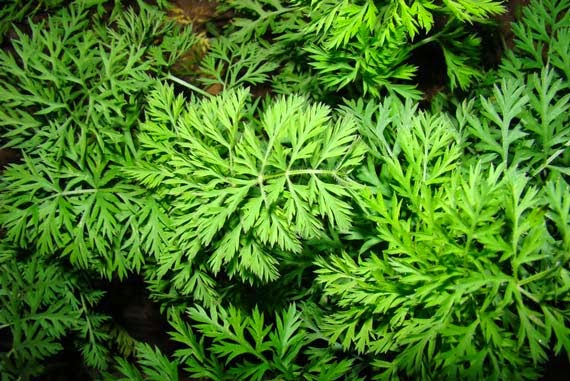
I love feeding carrot tops and carrots.  Carrots and carrot tops are awesome Vitamin A sources for your bird.  All of our birds from the smallest finches to the largest Macaw, have fun while they eat them.  I rinse the carrot tops and weave through the bars of a cage for the small birds who love munching, shredding, and even enjoying the wet greenery as a refreshment.  The added bonus of feeding carrot tops, is that if you are growing them in a pot or your garden, clipping the tops only encourages them to produce more carrot tops.  That's a win-win.


Watermelon is a yummy super food that you may not have thought of for your bird.  Most people think of
watermelon as a food that is mostly water.  That's true, but this refreshing fruit is loaded with vitamins A, B6, C, and other goodies.  It's low fat (as most vegetables and fruits are) and healthy.    Larger birds can even enjoy watermelon seeds and some will love the meat of the watermelon close to the rind as much as the juicy red center.  Try small pieces for small birds, you can even float a chunk in a water dish to capture your bird's curiosity.   Freeze some watermelon in an ice cube for larger birds and place it in their water dish.  Watch the fun begin.  (Don't forget to give clean water after the snack)

 Summer squash can be a fun food as well.  Chunks and slices are loved by our bigger birds.  But surprisingly even the small birds love picking out the squash seeds.  Sometimes eating them, sometimes just playing with them.  Playing with your food however is highly recommended.  Squash is a great vitamin C source for your bird as well as other many health benefits.

Make a fun kabob with some squash, watermelon, and carrot slices.  Weave some carrot tops in, and not only provide something healthy, but also something that can be fun and entertaining for your bird.