Friday, July 24, 2009

My Cockatiel is Flying Across the County


Question: I am taking my cockatiel on a trip with me and we will be flying across the country. I have ordered the solid top carrier and wanted to know if I should put a perch inside and if so, what kind of perch would be best? Should I put something in the bottom of the carrier too?

Answer: Putting just a small hand towel in the bottom of the carrier so your bird will have better footing on the bottom of the carrier should be sufficient for the trip. If you choose to put a perch inside the carrier, be sure the perch is only an inch or two above the bottom. That way, if the carrier is tilted and your bird tumbles off the perch, the fall will not be enough to cause any injuries.

The bolt on Sandy Perches or the Safety Perches can be easily used inside this carrier as the carrier has vent holes that the attaching hardware of the perches will fit through.


You can also cut a wooden dowel the width of the carrier if you prefer and drill small holes in each end, and then attach washers and screws to the ends of the dowel through the carrier holes to hold it safely in place during the trip.

Monday, July 20, 2009

Big New Cage!


Tori and Ronnie Yellow Nape Amazons got a brand new big cage this weekend! Bigger than their old one and new toys too. They also liked the willow branches very much.

Wednesday, July 15, 2009

Weaning can be Fun!


Baby Dusky Conure's first day in a weaning cage. Sure are lots of things to check out in this new house.

Tuesday, July 14, 2009

Rare Parrot Seen


Thought to be possibly extent, birdwatchers in south-east New South Wales are getting a rare glimpse of this very rare species. Hundreds have been sighted.

"The Swift Parrot usually migrates between Tasmania and the west of the Great Dividing Range but the drought has brought them to the far south coast and Monaro in search of food.

National Parks and Wildlife Service Ranger Robyn Kesby says there are only about a thousand breeding pairs left in Australia.

She says this is a once in a lifetime opportunity to see the birds."

Saturday, July 11, 2009

Sampling Saturday July 11


There is a reason why they call it "Beak" Appetit!

Today's Sampling Saturday free sample at the Nature Chest Bird Shop was Calypso Spice

Friday, July 10, 2009

Birdie Pizza


Can your bird say "Yum Yum"? Whether he or she can actually say it, or just think it, it's sure to be the topic for this delicious birdie pizza.

This pizza calls for a bean mix such as Volkman's Soak and Simmer and other great fresh ingredients.

This pizza looks so good, you may be tempted to try a taste yourself.

For Birdie Pizza Recipe click here

Hawk tries to grab Scooter

What an amazing video of how a free flying hawk that is part of a bird show, escapes and goes after the show's Cockatoo Scooter. We often hear people talk about taking their birds outside to play, or even to free fly them. This video brings home the danger lurking everywhere.

See video here

Wednesday, July 08, 2009

Baby Dusky Conure


Baby Dusky Conure learning how yummy apples can be.

Saturday, July 04, 2009

Fresh Corn on the Cob


Just sharing some fresh corn from the farmers market with all the birdies this 4th of July holiday and wanted to share how simple it is to fix for your birds.

12 Fresh ears of corn
big pot
lots of water


Husk corn ears and clean silks off. Break off ends that may have worm damage. Place ears in very big pot of water. Bring water to a boil and cook approximately 10 minutes. Remove from stove. Cool ears and then cut into 1-2 inch size slices and place in freezer bags. We fill sandwich size bags and then place these bags into a larger freezer bag. Makes it very easy to just grab a small baggie a day for the birds.

How to feed: Thaw corn circles out by placing in hot water for about 10 minutes. Feed as soon as corn is cool.

Great Fun!

Parrot=1 Mini Blind=0


This is what happens when my human does not open my mini blinds like she is supposed to so I can see out.


Do you think I look like I'm sorry?


Not a chance!

Friday, July 03, 2009

Parrot Enrichment


Found this site to have some really good information for all you parrot lovers out there. Check out Parrot Enrichment

Parrots of the Caribbean


Parrots of the Caribbean
If you have heard of Bonaire at all, you may think of it as a haven for scuba divers or, maybe, loggerhead turtles. But this tiny island might also offer the best chance of survival or the yellow-shouldered Amazon parrot.
By Ted O’Callahan/Photography by Kim Hubbard


Wow, what a wonderful article on how they are trying to save these parrots.

Thursday, July 02, 2009

Calling all Photo Buffs


Think you take spectacular pictures? Well, if you do, or if you just enjoy taking pictures for the fun of it, why not enter the Nature Conservancy's 2009 Photo Contest. And even if you don't want to enter your own picture, be sure to check out the fabulous photos from last year. They will make your day!
Nature Conservancy 2009 Photo Contest.<

Wednesday, July 01, 2009

Pet of the Day

We found this really cool site called "Pet of the Day". Today's special pet is Kippie a 6 year old Gold Cap Conure parrot. What a sweetie!
Read about Kippie here at:
Kippe The Gold Cap Conure

Saturday, June 20, 2009

Friendly Kitty Cities


Although our passion is parrots, we love all creatures. We thought this was interesting info for all the cat lovers out there. According to CATalyst Council located in Kansas City, MO, the top cat cities in the United States are:

Tampa, Phoenix, San Francisco, Portland, Denver, Boston, Seattle, San Diego, Atlanta, and Minneapolis.

Honorable mention went to Ithaco, NY.

Sunday, April 12, 2009

Earth Day 2009


Celebrate Earth Day 2009 on Saturday, April 18th, with the Nature Chest Bird Shop in Decatur, Alabama., at 826 McGlathery Lane SE, from 10:00 a.m. until 3:00 p.m.


Fun activities for the kids. Drawing for a free eco-friendly parrot bag to be given away as well as an eco-friendly bird toy package.


A percentage of all sales between Saturday April 18 and Wednesday April 22, will be donated to the Nature Conservancy.


Order online at:


Sunday, March 29, 2009

2009 AFA Convention

The American Federation of Aviculture Convention 2009 ~ Houston TX August 5-8, Wednesday-SaturdayTheme: "Aviculture: Branching Out"Art work: The Blue-headed Pionus

The 2009 convention will be in Houston, Texas August 5-8, 2009 at the Hilton Houston North on Greenspoint Drive. The day trip will be to the Houston Zoo on Wednesday afternoon after the House of Delegates meeting. Below is a preliminary list of speakers. Others will be confirmed later this week.* * CEU credits for those desiring the same will be through RACE (Registry ofApproved Continuing Education www.aavsb.org/ .) * *For more information or to Register go to www.afabirds / http://www.afabirds.org

SUPER 8 raffle prizes, winning ticket drawn at banquet Saturday night:· $1,000 cash donated by Dr. Christopher Chinnici and Charlie the African Grey· Belize Retreat donated by Carolyn and John Carr· Blue-cheeked Amazon print donated by Gamini Ratnavira· San Francisco Getaway donated by Mary Ellen LePage· Parrot Bed Quilt donated by Ardith Raine, sewn and quilted by Sharon Garsee· Opal and Diamond Ring donated by Pat Chinnici· Nursery Hospital 2A Solid State Brooder donated by Joe Freed· Bow Front Cage donated by Super Pet* 1 lucky person will WIN A LAPTOP just for registering and attending! *Please read all details and rules at www.afabirdsClick on "2009 Convention" and see drop down menu for printable raffle tickets and speaker topics. Winner need not be present to win Super 8 items. Keynote Address: Ian Tizard, BVMS, Ph.D., ACVM

Speakers: · Sharman Hoppes, DVM, Ph.D.Sponsored by Texas A & M University Schubot Exotic Bird Health CenterUpdate on Proventricular Dilatation Disease Allergic Alveolitis

Darrel Styles, DVM, Ph.D.Socialization of the Parrot from Hatch Through Maturity The Physics of Feather Color Generation in Parrots and Basic Avian Genetics of Psittacine Color Mutations

Mark SargentPionus Parrots · Matt Baird The Galah in Aviculture Yellow-tailed Black Cockatoos

Kshmir Csaky Easing the Transitions in Life of Captive Birds A Comparative Observation of Hyacinth Macaws in Captivity and in the Wild

Roger G. Sweeney Considering Avian Social Systems in Aviculture Behavioral Solutions in Aviculture Management

Jason Crean Whitebacked MousebirdsLineolated Parakeets

Rick Jordan Sponsored by International Conure Association Conures: World's Greatest Pet Bird and Breeder Bird

Dick Schroeder The Hornbills

Bonnie Zimmerman Sponsored by Indonesian Parrot Project Project Abbotti - Conserving the World's Rarest Cockatoo

Chris Biro Sponsored by International Conure Association Importance of Flight and the Freeflying Lifestyle

Marshall Liger Practicing Safe Avian Restraint and Proper Grooming

Donald Brightsmith, Ph.D.Sponsored by Texas A & M University Schubot Exotic Bird Health CenterPsittacine Nutrition Research: Tambopata to Texas and Beyond Macaw and Parrot Ecology and Conservation Research in South America

Caroline Efstathion Structure and Function of the Avian Respiratory System

Tony PittmanThe Slender-billed Conure in the Wild and in the Aviary

Robert R. GabelU.S. Fish and Wildlife Service

Juan Cornejo Sponsored by Texas A & M University Schubot Exotic Bird Health Center Captive Breeding and Husbandry of the Horned Guan

Michael Dalton Passive Speech Research, Language and the Animal Mind

Ron Mazzoni A Practical Guide to Feeding Softbills

Bill Van Patten On Walkabout With Mike Fidler - the Gouldian Finch

Robin Shewokis Sponsored by The Bird Endowment Do Breeder Birds Benefit from Enrichment?

Jean Dubach, Ph.D. Sponsored by The Avicultural Society of Chicagoland Who's My Daddy? How Genetic Analysis Can Answer Basic Questions

Adrianne Mock Branching Out--Birds in the Classroom, at the Fair and at the Park

Greg E. Poulain Adoption Protocol for the Rehoming of Companion Birds

Laurie Baker No Bad Birds: Birds Instincts vs. Human Interpretation

Cheryl BurnsBird Folk Basics--Websites

Friday, March 27, 2009

Fly like an Eagle


Get a real bird's eye view of birds with this live cam of an eagle nest.


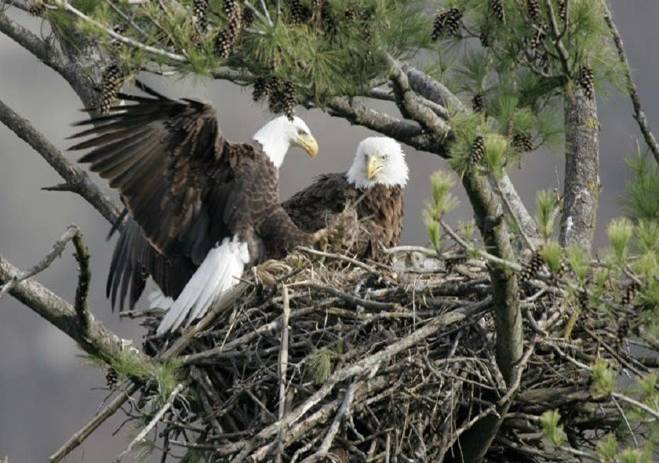
We view eagles as magnificent birds and as our nation's symbol of freedom, we admire their great strength and power. Most of us however will never get close to an eagle's nest, but thanks to technologoy you can now safely see inside an eagle's nest.


As of this writing this particular pair of eagles has three eggs in its nest. The size of the nest is huge and watching the parents take care of their babies is awesome. It has probably taken them several years to get their nest this size.


What a great site to share with your children too. They will love watching the eagles and reading some of the information on the site to learn more about eagles.


The Webcam is only available during daylight and it can take several minutes to load on your computer depending on your Internet connection. Be patient. Also, don't be suprised if you get several popups as the site loads.

Friday, February 20, 2009

Wild Bird Seed Recall

Recall -- Firm Press Release

FDA posts press releases and other notices of recalls and market withdrawals from the firms involved as a service to consumers, the media, and other interested parties. FDA does not endorse either the product or the company.

Ongoing Issues Regarding Peanut Corporation of America Result in Scotts Voluntarily Recalling Five Wild Bird Food Suet Products That May Contain PCA Peanut Meal
Contact:Jim KingSenior Vice President, Corporate Affairs(937) 578-5622

FOR IMMEDIATE RELEASE -- Marysville, Ohio -- February 16, 2009 -- The Scotts Company LLC announced today that it is voluntarily recalling specific lots of five varieties of suet wild bird food products after learning those products may contain peanut meal purchased from the Peanut Corporation of America's (PCA) plant in Blakely, Georgia, because it has the potential to be contaminated with Salmonella.

Salmonella can affect animals and there is risk to humans from handling contaminated bird seed and/or pet food products. People handling wild bird food can become infected with Salmonella, especially if they have not thoroughly washed their hands after having contact with the product or any surfaces exposed to these products. Healthy people infected with Salmonella should monitor themselves for some or all of the following symptoms: nausea, vomiting, diarrhea or bloody diarrhea, abdominal cramping and fever. Rarely, Salmonella can result in more serious ailments, including arterial infections, endocarditis, arthritis, muscle pain, eye irritation, and urinary tract symptoms. Consumers exhibiting these signs after having contact with this product should contact their healthcare providers.

Scotts ("the Company") has requested that its retailers, distributors and sub-distributors recall the affected products, using proper recall notifications, and remove these products from retail shelves or warehouses, and return them to the Company. In addition, the Company also is requesting that those parties that sell the affected products to consumers not only advise those consumers of the recall, but also tell them to throw the product away, avoid touching unsealed product with bare hands, and wash their hands thoroughly after touching unsealed product.
Scotts has not received any reports of illness involving its products that may contain the PCA peanut meal, and it is no longer using any products from the Blakely facility. Nonetheless, as a precautionary measure, Scotts is recalling the following five products with the specific manufacturing date codes below that were manufactured between December 27, 2008 and January 17, 2009:

For full release and additional information visit http://www.fda.gov/oc/po/firmrecalls/scotts02_09.html

Sunday, February 15, 2009

How Smart they are

Anyone who knows a Quaker Parrot already knows just how smart and sassy they can be. We thought this was a very interesting article about these lovely green parrots. We are also know some of the participants (humans and birds alike) and wanted to share their story as well.

http://www.birdchannel.com/bird-behavior-and-training/bird-medium-bird-behavior/quaker-intelligence.aspx

Sunday, January 25, 2009

What's a Quaker to Do?


With many of us enduring snow, ice, and lots of cold weather, this little Quaker is enjoying his snowy day with gusto. Chanceman Quaker believes in living life to the fullest.

Maybe he will even share his sled with his brother and sisters.

The Kea Parrot


The following is reprinted with permission by the author Jan Santor.


THE KIA PARROT (ICE PARROT) IS OUR BIRD OF THE MONTH: If you are day sleeper or night “owl”, this bird may be the perfect companion for you as they are semi-nocturnal. In captivity they are known to be most active during dark or stormy weather in addition to nighttime hours. The entertaining Kea is a parrot that is loved by most and disliked by some. These lovely birds have entertaining habits, though they have known to be destructive as a result of their inquisitive and playful natures. They require many chew toys and puzzle toys to keep them out of mischief, they are curious and can be destructive if not properly supervised and occupied. They are hardy little fellows hailing from the New Zealand Alps. While drafts are still a bane as with any other caged bird, lower temperatures do not faze them in the least.
They grow to about 19 inches in length and are chattery noisy but; not raucous. The cry of the Kea, as generally heard in the early morning, has been aptly compared to the mewing of a cat; but it likewise utters a whistle, a chuckle, and a suppressed scream. The Kea does not walk like other parrots, it hops and usually in a sideways fashion to the delight of their admirers. Their adult plumage is acquired at about 18 months of age, and females can be distinguished from males by their beaks, which are often less sharply curved and shorter than those of males. The beaks are brownish gray. The Kea's plumage is an olive green shade, and each feather has a black edging. Over the yellowish green colored crown and nape, the feathers have dark striping. The cage should about 3 feet high, 2 feet across, and 18 inches deep, with 5mm bars and no more than 1” bar spacing so that they have lots of room to move about in. Usually an earth or sand covered floor is appropriate. Plenty of hiding places should be provided. A supply of fresh branches should also be present for chewing.
In captivity, a Kea's diet can usually be made up of fruits and vegetables with carbohydrate and protein supplements. Keas are known for their ready acceptance of most foods. Often maize and brown rice can be cooked and offered as a meal. Soaked pigeon feed, peanuts, hemp, and sunflower seeds have also been offered with good results. Vegetables, a large portion of the diet, can be offered in the form of carrots, potatoes, cabbages, greens, and beets. A variety of fruits are accepted: oranges, berries, and passion fruits to name a few. In the wild, they are omnivorous and relish lamb and mutton. Offering them cooked pieces of meat of all types will provide them with needed protein. While they dine on fresh meat in the wild, it should be cooked for caged birds to prevent parasites and any infection.

Sunday, December 28, 2008

Parrot Rescues


It has come to our attention that a local parrot rescue located in Huntsville, Alabama has recently taken in one of the most disturbing cases of animal abuse in it's history.

Honker, a blue and gold macaw, was abused and beaten for 14 years before fate finally stepped in and allowed this beautifully spirited bird to be rescued. As the Executive Director of Parrots-R-4Ever, Dave put it, "they may have broken his body, but they did not break his spirit". After being kept his lifetime in an 18x18 inch size cockatiel cage, and having pretty much every bone in his body broken at one time or another, Honker now is safe and so loved by everyone who hears his story. You can read Honker's Story here

Happy New Year!

We hope everyone is having a wonderful holiday season. With New Year's Eve fast approaching, we would like to remind everyone to be sure and keep your birds in mind if you are hosting a holiday party.

You will probably want to move your birds into a closed off room such as a bedroom where your party guests will not be venturing. This will help keep both birds and guests safe. It should also help keep guests from offering a bird a taste of a holiday drink which could be deadly dangerous for your bird if the drink has alcohol in it.

As New Year's Eve merrymaking will probably go into the wee hours of the night, removing your bird to a safe and quiet area will also help your bird feel more secure, and maybe allow it to get a little shut eye that you and your guests will be missing that night.

Wishes for a safe Happy New Year!

Saturday, December 13, 2008

Holiday Hazards

With the holidays upon us, it's a good time to remember to keep our birds safe throughout the festivities. A new danger to add to our list is the non-stick coated aluminum foil which has been linked already this year to the death of a pet bird.

Some good tips for safety can be found at http://www.naturechest.com/holidayhazards.html

Wishing everyone a safe and happy holiday season and a very Happy New Year!

Help Capturing a Lost Parrot

Tips for Recovering Missing Birds by Jean Pattison (The African Queen)

If you belong to a bird club, please ask your newsletter editor to publish this. If your club holds a bird fair, please distribute it. If you know of someone who has lost a bird, please send it along. If you have a personal web page, please put this up. If you are a breeder, please include this in your educational packet. Please forward this to other lists. If you know of lost/found web pages, please ask them to put this up.Additional suggestions from Scott Lewis are included.

Birds can live for days-weeks months, and even years after an escape. Never give up. Always look for a grey BEFORE sun-up while it is still dark, and AFTER sundown. They are the most vocal then, and the most active. Look for the bird constantly. Start where you think the bird landed and circle that area. Add a mile and 1/2 for every 12 hours the bird has been out loose. Since there are many variables, anything can send the bird off in a new direction, or he may even just stay put and hidden close to where you lost sight of him.Day 3 is when they get hungry and try to come in for food, they will go to just about any one at that time if they are tame. This depends on how hungry the bird was when it became lost, and the weather, temperature, etc. The best thing to do is to forget the bird was a pet and start tracking him like a wild, loose, untrained bird in the neighborhood. Yes, food will being a bird down to the ground, but that could take a while for a well fed bird in the heat of the summer. Now that the instincts are in gear, any trained behaviors that were there before the escape may be unreliable.ALWAYS have a recording of your grey when he is playing and having the most fun. Play this recording intermittently as you look for him. Throw food on rooftops. Place a small cage on the roof of your house, or anyone's where they grey has been seen. The only time to put food out is if you want to establish a feeding place on which you will place a trap on the third day. Otherwise, all that putting free food out will do is prolong the time that your bird can make it out in the wild without anyone's help. Tell people to put him in a pillow case, and have friends carrying pillowcases while looking, or small cages. Sometimes greys are caught by inexperienced holders and they don't know what to do with them.Kennels usually work just fine, and won't add further trauma to an already scared bird. Water hoses do work if you can spray him shortly after his escape. Hit him with as much water as you can all at once. He is heavy from not having exercise, and the water throws him off enough to ground him for a bit. Do not drench just before dark unless you are sure you can get him. If possible contact organizations 50 miles away. Sometimes people find them while traveling and go home with them. Greys can also get that far just flying. Give all the children in the neighborhood a buck and tell them there is more if they can locate your bird. Kids tell on people that are hiding them also. (per Mattie Sue Athan) Police will not help you retrieve a bird from someone else's home. You have to plan that one very carefully if they decide they want to keep your bird. Have someone watch the bird at all times if he is spotted and you need to go for help.Carry your cell phone with you at all times, and a flashlight and food treats. You stay with the bird and talk to him, let others go for the ladders and help. If you try to climb the tree, it often times scares them up. A long branch may be better to coax him onto. Use your head here. Raise his cage to where he is. Just get close to him and talk to him. Offer treats without reaching for him. Just befriend him until he remembers you and walks closer to you, then pick him up. If he is roosted near dark, wait until dark before trying to retrieve him. They don't fly well at night, and they don't want to fly, but make sure you don't miss. You may use a high powered flashlight to momentarily blind the bird while another person nets or grabs the bird. Scared birds WILL fly at night, even though they have no idea where they are going to. If you feel that approaching after dark is better, shine a flashlight into their face so they don't see your net coming down over them. Use a large fishing net with soft open netting.If sighted, keep the mobs of people away, and let the owner try and coax him down. Have your helping friends in tall trees or on roof tops to watch where he goes if he takes off. You NEED spotters prepared and willing.

Additional Information/ Comments by Scott LewisI might add to all this that if the bird is hanging around but refuses to go in a cage or allow itself to be caught, a Have-A-Heart chipmunk trap may do the trick. This is a small live trap. We recaptured a hawk headed parrot with one. With this sized bird, which is roughly the same size as a Timneh African Grey, anything larger will not work because the bird can go in and out with impunity. We know this from experience. After watching in total frustration as the hawk head repeatedly walked in and out of a Have-A-Heart squirrel trap to eat, we got a chipmunk trap. She went in, she was back. An actual R/C parrot trap is best, but not many people have one.Place the trap high in the area the bird is frequenting. Remember that height equals safety to parrots and most other birds. Be sure to check it frequently. NEVER leave a trap unattended. A caught bird can easily attract a raptor, and besides, in most parts of the US, unattended traps are against the law. If the bird is caught, it may panic. And, there is a good chance you will catch native birds, which won't appreciate it a damned bit. I have released a few extremely irate grackles and such.For little birds, such as lovebirds and budgies, a sparrow trap works well. We had a black-masked lovebird show up at the aviary. I suppose it was attracted by our birds' calls. Given that lovebirds can carry PBFD, to which all our birds are very susceptible, two vets told me to get a pellet gun. I didn't have the heart to do it. But, I caught him in a sparrow trap within a half hour after I set it.Finally, a hose does work, but don't be shy. The idea is to totally soak the bird in a big hurry to the extent that it can't fly. If you're shy with the hose, you will simply watch a damp bird fly away.

Saturday, November 08, 2008

The Holidays are Coming!


With the uncertainty of the economy, it seems the holidays may be a bit slower to get started this year. However, Christmas hasn't been cancelled, so checking out the new stuff this holiday season and looking for great new gift ideas, can be shared by everyone. A super neat holiday ornament this year for all you Quaker loving humans out there is a new hand carved and hand painted Quaker Parrot tree or decoration ornament.

Ornament measures about 2-1/2 inches wide and is about 6 inches long. With a little additional glitter to add some extra sparkle, this one is sure to please anyone whose heart has been touched by a little Quaker friend.

Sunday, October 19, 2008

October is Fire Safety Month

Now is a good time to make sure you have all your safety steps in place just in case an emergency occurs. A good time to make sure all your fire and smoke detectors have fresh batteries. Also check all emergency carriers and make sure they are within easy reach in case of a fire. We keep an emergency carrier near every cage as well as a small towel just in case a bird panics in an emergency situation and becomes hard to remove from the cage. If you need help choosing a carrier here are some suggestions at Bird Carriers

Smoke inhalation is deadly for birds, other pets, and humans, so getting out quickly is imperative to all. With a bird's sensitive respiratory system, seconds can make the difference between life and death for any bird. Prepare and plan now, before an emergency happens, Hopefully you will never have to put the plan into effect, but always being prepared is a lot more than a childhood motto.

Thursday, September 11, 2008

September is National Papaya Month!

With September being National Papaya month, it's a great time to introduce your bird to some papaya if you have not already done so.

Papaya is sometimes also called PawPaw and Tree Melon and although it began in southern Mexico and certain parts of Central America, papayas today are grown throughout tropical regions. Most commonly found in your local grocery store is the Hawaiian variety and usually weighs in at about a pound. When ripe, papaya has a semi-sweet taste not quite like any other fruit.

Papaya is a favorite among many of our birds, especially our Amazons and Conures. Fresh papaya is also loved by our Cockatoos. Why not take some time to cut some fresh up for yourself and share it with your bird. Just peel the skin off, remove the seeds, and cut into chunks big or small depending on your bird's size.

If on the other hand, your bird prefers his or her papaya not quite so soft, check out some prepacked bird treats of papaya. Just as yummy tasting to your bird, and especially easy when you just don't have the time to cut up fresh.

Thursday, August 28, 2008

Have a Safe Labor Day Weekend!

With the upcoming holiday Labor Day weekend approaching, it's a good time to review safety for your birds. With many people celebrating the weekend with family and friends, there may be lots of people going in and out of your home during that weekend barbeque.

If you clip your bird' flight feathers, make sure no new feathers have grown in recently to prevent a bird from flying out an open door with an unsuspecting person. Keeping a bird safely inside it's cage during this time of activity may be even safer. If your bird become nervous with people around that it doesn't know, you may want to move your bird's cage into your bedroom or other safe area, so your bird can feel secure. This may also prevent unsuspecting children or even adults who do not believe birds will bite, from sticking fingers in cages and being bitten.

Keeping both your bird and your visitors safe should be top priority this holiday weekend.

Monday, July 14, 2008

Polyomavirus in Parrots

Many people already know about the Polyomavirus, but it never hurts to have a refresher minute, or to explain the virus to someone new to birds. Polyomavirus is a nonenveloped virus which simply means that it is hardy virus and can live outside of the body of its host. This type of virus resists many disinfectants as well as freezing and high heat. Polyoma is a foamite which means that it can travel on anything such as your clothes, hair, bird dander, even in your lungs. It is highly contagious and often fatal for birds. How common it still is today is unknown, but it is usually deadly to most all species of parrots if they get it at a young age. Sometimes older birds can survive an exposure, but then they may become carriers of the virus and spread it to other birds they come in contact with. It has been found that budgies and cockatiels can be healthy carriers, meaning they can carry the virus, and never show symptoms of illness. It used to be called Budgerigar Fledgling Disease in budgies.

Test can be done by your avian vet using fecal and blood tests to determine whether you bird has the virus, or possibly if your bird has been exposed to the virus and may be a carrier. If the bird has an active case of the virus and is contagious, they will be "shedding" the virus, and it is believed that the virus will show up in the fecal exam. If the bird is a carrier, it usually shows up in the blood work done by your avian vet.

Prevention is critical. You should follow proper quarantine and testing procedures before adding any new bird to your flock to help prevent infecting any birds you may already own. You should always remember that birds can be carriers and that this deadly virus lives for years on objects. If you visit bird fairs, please be sure to follow all steps to ensure you do not bring home any illness with you. Disinfect yourself, and anything you purchase at a fair before exposing it to your bird. If you like to take your bird to your local bird club meeting, or anywhere else there are other birds, you may want to have your bird vaccinated to protect your parrot from this horrible disease.

You can read more about Avian Polyomavirus at the links shown below:

Avian Polyomavirus: My Thoughts, David N. Phalen, D.V.M., Ph.D.Dipl. ABVP (Avian)
http://www.plannedparrothood.com/articles/polyoma.html

Polyoma Virus: The Real Story by Dr. Gregory Rich, DVM:
http://www.bird-net.com/polyoma01.html

Prevention of Avian Polyomavirus Infections through Vaccination:
http://www.funnyfarmexotics.com/IAS/poly98.htm
Dr. Branson Ritchie University of Georgia's Psittacine Disease Research Group

Saturday, July 12, 2008

Dancing Bird

Think you've got rhythm? Well, this little guy has got the moves for sure!
Just click on the link above in the title, or copy and paste the following in your browser's window:
http://birdcinema.com/view_video.php?viewkey=fb92720359db84e0dd0d

Friday, July 11, 2008

Griffin the Amazing African Grey

We are all so very saddened when Alex the African Grey passed from our world, and we all knew that there would never be another quite like him. Alex was indeed an amazing parrot and an ambassador for the bird world sharing our knowledge that parrots are intelligent and wonderful companions. It is exciting that we find Griffin the African Grey parrot is also converting the non-believers as he wows them with this intelligence. What a great tribute to Alex that his friend Griffin is ready to take over as role of ambassador.

This video shows how Griffin is handling his own among human children in the classroom to prove the intelligence of parrots. Just click on the link titled above, or copy and past the following in your computer's web browser.
http://quicksilverscreen.com/watch?video=42569

Monday, July 07, 2008

Share your birdie recipes

If you have a favorite birdie recipe you would like to share with us, please email complete instructions (and a picture if you have one) of your recipe to info@naturechest.com so we can add it to our web site and share it with other bird owners.

Blueberry Birdie Muffins

July is national blueberry month so why not bake up some yummy blueberry muffins for your bird.


Blueberry Birdie Muffins:

1 package Harrison's Bird Bread
1 two ounce size package Just Tomatoes Just Blueberries
(or why not add some fresh blueberries instead)

Follow directions on the Harrison's Bird Bread package for preparing your birdie bread. Then add the package of Just Blueberries into the mix and stir until well mixed. Pour mixture into muffin or cupcake pan and bake at 350 degrees for approximately 30 minutes or until toothpick comes out clean. Oven temperatures can vary so be sure muffins are done. Thoroughly cool muffins before serving to your bird. Cooked muffins can be placed into freezer bags and removed daily for a fun treat each day until gone.

Harrison's Bird Bread and Just Tomatoes Just Blueberries can be purchased at GourmetParrot

Monday, June 30, 2008

Help Us Help the Red Cross


We are joining with over 25 other e-commerce sites to help donate urgently needed funds to the Red Cross to help the flood victims. Every sale on July 1, 2008 has a 5% donation attached to it for the Red Cross. And, to thank you for helping the Red Cross, we are offering another 5% discount to our customers simply by entering the coupon code REDCROSS at checkout.

Thanks!

Sunday, July 09, 2006

An Owner's Perspective

As I walk through the local grocery store with Chanceman on my shoulder, I stop at the veggies and fruits and talk quietly, asking C-man what looks good to him. I feel a beak push its way into my ear and I shake my head. I wish he would move to my other shoulder so I could check before anyone else notices. You see, this little green quaker parrot sits on my right shoulder having juice and cracker with me almost every night, and I do other things, like read the Fonzie books to him or look through magazines, separate safflower seeds from the other pellets and grains that I have in a large plastic bucket (because quakers don't need safflower seeds, too oily and fatty) or just watch tv. Chanceman has gotten quite good at putting chewed cracker in my ear without my knowing this, and since I've already taken a shower, I'm not picking at my ears. And as the next day starts and we go about our "work", he checks to see if the cracker is still there, because he wants a snack. If he finds no snack, he starts yelling "good pea.....good pea.....good pea", meaning he wants snap peas, but the other shoppers don't know this, I get very funny looks...........most of the time.

I'm a companion human to four smaller parrots, two clutchmate sibling greencheek conures, Baby Five Oh and Little Dime 3 and two quakers, Chanceman and Bitsy Lu(cifer) I work out of an office in my home, or the other way around (not sure yet) and I'm with these birds 24/7 unless I go shopping without them. Maybe that's why most of them talk so well, as we spend a lot of time together.

I manage a 200 lot mobile home park, so you could say I babysit 400 people (that I know of, there could be more), and I look back on the first 6 months in this park and in this little town, and I don't know how I made it. But, I know four little creatures that could tell you how! I hated this place. I was so lonely. I did not purchase a bird just because I was lonely, though, I really wanted another bird, like the brotogeris I had for about 5 years in my 20's. I'm a lot older now and I realize that I knew absolutely nothing about parrots back then, and due to my inexpertise, I knew little about clipping wings and nails and after 5 years, Pookie flew out an open door, never to return. I vowed that would never happen again.

I wanted Baby Five Oh, I did not want Chanceman, he was a quaker and didn't have bright colors. But, how he ended up 'staying forever' is another story, but bird people must be the dumbest people on earth, our children finally leave the nest and what do we do? We bring in little feathered creatures that have the intelligence of a 3 to 4 year old and can live up to 80 years and more, depending on the species. Well, I'm proud to be one of those dumb bird people, because we have a happy house; when I hear Chanceman say, "I don't have any gum in my mouth" and Bitsy Lu answering, "I don't have either" (gets words mixed up), I laugh everytime.

I haven't worn ear rings nor worn cologne since Baby Five Oh moved in. Of course, I haven't worn anything except jeans, sweatpants and shorts for the past 8 years, but that's because I where I live. We quit smoking a long time ago, so that's no problem, no candles in the house doesn't bother me, no spraying and no teflon, no big deal. I know I probably am the same person I was with lizards on my shoulder and ferrets on a leash, but nothing can beat getting up in the morning and feeling so tired, and hearing Baby Five Oh shout, "good morning.....I love you". Tell me how you can be in a bad mood after that? I'm truly blessed.

A friend of mine once said, "I don't know what's worse, getting puked on or being bit", and she's right......we bird people get both of those, a lot, but I can't even imagine living without these 'little people in green jackets'.

Monday, April 10, 2006

"Just A Bird"

"Just a bird"From time to time, people tell me, "lighten up, it's just a bird,"or, "that's a lot of money for just a bird."

They don't understand the distance traveled, the time spent, or the costs involved for "just a bird." Some of my proudest moments have come about with "just a bird."Many hours have passed and my only company was "just a bird," but I did not once feel slighted. Some of my saddest moments have been brought about by "just a bird," and in those days of darkness, the gentle touch of "just a bird" gave me comfort and reason to overcome the day. If you, too, think it's "just a bird," then you will probably understand phases like "just a friend," "just a sunrise," or "just a promise." "Just a bird" brings into my life the very essence of friendship, trust, and pure unbridled joy. "Just a bird" brings out the compassion and patience that makes me a better person. Because of "just a bird" I will rise early, take long walks and look longingly to the future. So for me and folks like me, it's not "just a bird" but an embodiment of all the hopes and dreams of the future, the fond memories of the past, and the pure joy of the moment. "Just a bird" brings out what's good in me and diverts my thoughts away from myself and the worries of the day. I hope that someday they can understand that it's not "just a bird" but the thing that gives me humanity and keeps me from being "just a human."

So the next time you hear the phrase "just a bird." just smile, because they "just don't understand."

author unknown

Friday, February 24, 2006

Eagle Photos


These awesome pictures were taken recently near Comox, BC, Canada. Unfortunately no one knows who the photographer was. This is something few humans will ever be privileged to see.


Top Ten Bird Rules

All Birdie owners should know these by heart!

TOP TEN BIRD RULES:

1. If you like it, it's mine.

2. If I can reach it, it's mine.

3. If it's in my beak, it's mine.

4. If I can take it from you, it's mine.

5. If I had it a little while ago, it's mine.

6. If it's mine, it must never appear to be yours in any way.

7. If I'm chewing something, all the pieces are mine.

8. If it looks like mine, it's mine.

9. If I saw it first, it's mine.

10. If you have something and you put it down, it automatically becomes mine.

Wild Quaker Colony Ft. Worth, Texas

These pictures were taken of the wild colony of Quakers in Texas in January 2006 in the Ft. Worth area.

"When we first got there we were startled because we didn't see any of theQuakers and didn't hear any squawking and thought that they were ......well, we didn't want to quess. Usually when we go they are all flying around, bringing sticks to the nests and making a real racket....but there was nothing. Then we looked up into the trees and what I first thought were leaves were really the Quakers, just hanging around taking it easy. Then we realized that this was their down time and they were resting up for the big hormone surge in the spring. LOL

Paula


1. This a "Quaker Tree"......no leaves, just Quakers. LOL

2. Some of their nests

3. More nests

4. Another Quaker Tree

Friday, February 03, 2006

PDD Update

Bird Paradise of Burlington, New Jersey has joined the fight to Stop PDDRESTON, VA 23 January 2006 ? Avian Health Network, Inc. has announced that it has joined with the owners of Bird Paradise this Spring to develop the Wall for the Cause at the exceptional bird store located in Burlington, New Jersey. The Wall for the Cause fundraiser will come to conclusion on 10 June 2006 with an educational seminar featuring Dr. Branson Ritchie as the keynote speaker. The project is a cooperative effort to raise funds and awareness of the lethal avian disease, Proventricular Dilatation Disease (PDD).PDD, often referred to as "the avian AIDS," has no cure, no vaccination and is just as deadly as its human counterpart. However, unlike AIDS, scientists neither know exactly what causes PDD or how PDD is transmitted, nor can they test for the disease with any degree of certainty on a living bird. Consequently, there is a sense of urgency to determine the cause of PDD and its means of transmission.The owners of Bird Paradise, Jack & Kathy Lance, have come forward with a great understanding that we must all take a stand together to keep the PDD research team at the University of Georgia's Emerging Diseases Research Group (EDRG) funded. It is the Lance's mission to help raise funds and awareness for this much needed research for all of our birds and their owners.The Wall for the Cause will feature 3 x 5 cards with a donor's name or their bird's name to be added to the Wall for the Cause. The wall will show support for research and all the birds that have been lost to this fatal disease or who are currently living with PDD or suspected PDD. Donations will be collected with a cheque presented to Dr. Branson Ritchie on 10 June, 2006 at the Avian Educational Seminar in Burlington, NJ at the Bird Paradise location.It is unfortunate that funding for avian causes and/or diseases is not as generous as for other species of animals. Without funding, Dr. Ritchie's PDD research team will be unable to continue this vital research. Without fundraisers such as Wall for the Cause and the 2006 Birds of a Feather Quilt, PDD research could very realistically come to a halt or be significantly hampered. The UGA EDRG research team depends greatly on your donations in order to continue their work. If there is one cause within the avian community that needs your help, it is this one. We owe it to our birds, as well as all future birds and their owners to band together and keep this research funded. Without it, the deaths will continue, the heartache will grow, and the progress made to date will be all for naught. HELP STOP PDD NOW.To learn more about what you can do this Spring to help StopPDD, please visit http://www.BirdParadise.biz or stop by in person or phone 609-747-7777. Meet the owners and employees of Bird Paradise's Burlington, NJ location with 15,000 square feet of space housing one of the largest inventories of cages and supplies on the east coast and add your name to the Wall for the Cause today. The store is located at 551 Rt. 130 South, Burlington N.J. and you will find something for everyone at the store or by shopping online.The Avian Health Network, Inc is a 501(C) (3) tax-exempt, non-profit corporation based in the Commonwealth of Virginia. The organization is staffed entirely by volunteers, employing no paid personnel. The Avian Health Network is committed to raising public awareness and funds for avian diseases such as PDD. For more information on the StopPDD campaigns, please visit the website, www.StopPDD.org.

Saturday, October 01, 2005

Hurricane Katring - Bird Rescue Continues

An update of ongoing bird rescues in the New Orleans area affected by Hurricane Kartina.

An Experience with Hurricane Rita

TRUE HURRICANE RITA EXPERIENCE by Nathalie Ross of Houston Back from the Mess! I have to tell you what I experienced. Pure mercy, pure love, pure Hell, and then pure miracles from God. I had booked way ahead for a hotel, rented a cargo van, got all our carriers ready, filled our tanks with gas, got our house boarded up, etc, etc. I did so when people were saying "No, it's never going to come here _ it'll never be a category 5. They won't have us evacuate". People thought I was nuts. "You're really going to leave??" I said "Yes _ I hope I'm wrong. I'll be the first to admit it!" But I was determined to leave. The storm grew and it became evident that leaving was the better option. Even people who said they weren't going to started planning. I was already set. Then the city said voluntarily evacuate. We left way early on Thursday morning, drove for 9 hours to get just over 30 miles in our pickup truck with three horses, 13 birds, dogs, cats, ferrets, guinea pigs, a rabbit, and five chickens.... and got stuck in the heat. Cars were stalling all around us, we were hearing "We'll give you gasoline", but I didn't see anyone getting any gas or relief. We heard "They're going to open up the lanes, even saw the military with "hurricane chasers" written on the back of their truck, and waved at them with thumbs up in joy. We got no relief. We heard endless promises from politicians who I have decided are NO better than the ones that got New Orleans in a ton of trouble with their lack of preparedness _ only we had no excuse. We had just witnessed Katrina and knew better. The truck started heating up despite the air conditioner. It was over 100 degrees in the truck with the air conditioning, and the horses were in the back in a dark green horse trailer facing the sun and with us not moving. No water. Our trip to Seguin, TX was supposed to be 5 hours max (3 hours typically). My horses are all geriatric and one, being terribly old, particularly frail. We had to stop at a gas station and squirt them down with water, and try to get them to drink. We had a half tank of gas and lots of promises in our heads of how things were going to open up on the freeway. We misted the birds and dogs and cats, and the air from the air conditioning. We took about 30 minutes to get cooled down, but things started to just get worse. The birds started to get incredibly hot. We took out pineapple and strawberries that we had for the trip in the cooler and fed those to them. We tried to get them to drink anything _ even gatorade, but they wouldn't. Finally we had to get back on the highway and try again, but getting back on we were just sitting beside a fire department vehicle with his siren running. He couldn't go anywhere; no one could. Not the ambulances, not the police, not the people with the supposed gas. We couldn't turn the truck off because we'd lose air conditioning. Picture one of those boxes covered with tin foil that they use as a sun_oven and you get the picture. We rolled down the window and asked the fire guys where the accident was. It was about 10 minutes away on a good day _ which meant four hours away for us. So we begged and pleaded, as I continued to sob and scream trying to get off of the freeway. I talked to Richard and Lynell (bless them both!!) and must have sounded hysterical _ because I was. How could I not be? At that point every bird in my truck was panting, one was laying down, an older cat laid down and peed on herself and wouldn't move. They were going to die. I had brought them all with me to save them, and was going to kill them with my attempts to keep them alive. And I couldn't do anything about it. Finally I found a gas station that, although not open, had water. We stopped and, thanks to Richard and his awesome advice, went from soaking the birds to totally DOUSING the birds in water. Note that the seat was out of the truck and we had carriers neatly arranged on open shelving with space for air flow. Well it was good space for water flow, too. I literally sprayed the hose on the birds INSIDE of my truck, sprayed towels and a sweatshirt with water and slammed them in the doors (we had them over the windows before trying to reduce the ant_under_the_magnifying_ glass effect). We rolled down the windows in the back so the air could come through the openings past the wet towels and even took the last bit of ice from the cooler and put it on leg wraps on tops of cages just to try to make it better. We had been saving ice to try to get the birds to drink it. Then we took off for who knows where. I found a back road going North and just drove. I had 1/4 tank of gas left at this point and no options. The next freeway at which I arrived was just as bad as the last. But at least we had gotten some movement of air in the truck. Steven and I knew then that we had no choice. There was no gas anywhere, we had to go home to the super storm. So we turned around and hauled tush. Remember it took us 9 hours to get where we were.... it took us 20 minutes to get home. Twenty minutes! We got home with all of our cats, dogs, birds, etc., alive. We knew at least we'd have air conditioning at home for a while, and then living in the house (if it were livable) afterwards would be a whole lot cooler than sitting in the Coleman Stove on Wheels called my truck. I hate thunder storms and went through Camille when I was four and swore I would never stick out a hurricane again. And here I was, going right back to it. AND with no provisions! See, we bought food for the trip and about 2 days to spare (and water, drinks) but figured we could get groceries in Seguin. Only we weren't going to Seguin now. Back at the house, there was ONE store still open _ a little store around the corner, so we loaded up on vienna sausages, Armor Treet, and more gatorade (we had resorted to misting our birds with that at one point!!). And we went home. The birds all got apple juice and pedialyte, the cats and dogs etc got pedialyte, too. Two of the birds had drooping wings even two hours after getting home, but in the evening they rallied some.That night everyone slept hard, and I woke up worrying about the 'next day' effects of heat exhaustion of my birds. They were all fine. Amazing! Brilliant and amazing. So then we started preparing. We found two fifty-five-gallon horse feed drums and a forty-gallon one and filled them up; got as ready as we could and waited and prayed.We heard horror stories about "four days of flooding to follow the storm", and "everyone should turn their gas off" despite the fact that our gas company told us not to. I started thinking that we'd have a gas line leak in a bathroom with all these birds in carriers, and cats, etc. We went out and against the gas company's advice turned our own gas off. We watched buildings burned to the ground in Galveston and in nearby South Houston. Finally we lost power and turned on the portable TV and ate Chicken Cacciatore. I had to do something with the chicken that was going to go bad. The storm came, and just died out. All the praying and all the glory of God, it just fizzled. Even I, the one who is afraid of thunder storms, slept by the chimney listening to it Bong like a kettle drum, and the winds soar by. I slept on the floor, while the birds slept in their carriers again. When we got up this morning, Rita was a shadow of her former self and it was wonderfully cool outside. Few winds, NO damage. Just one big tree down and it only cracked a top board of a pen we don't use. No house damage, and we had water! We opened up some storm shutters to get cool air in and looked around the neighborhoods. Some damage, not bad. So we went home and low_ and_behold. Electricity!Folks, I've never been shy about my beliefs. And I apologize if this offends, but I feel like the most blessed girl in the world. I'm sitting in my bed (with achy feet _ let me tell ya) in air conditioning, with lights, and internet service, and ALL of my babies are alive. All of them _ even the loose geese and chickens. I started into a nightmare and was instead given miracles and incredible mercy. I will never ever look at the simple things in life the same way again. Ever.Most of all, I will never ever forget the outpouring of prayers and well_wishes that I got from some very dear people. Richard's advice literally saved my flock. He's really their hero! Lynell saved my sanity. She's my best friend. And those of you who called, and worried, and emailed _ God heard your prayers. Thank you. Thank you for caring. I'm honored to have you as friends. I'm humbled. And I'm now in tears. But they're good ones. Anyway, it was a long trip. I wanted you guys to know what we went through and how some people helped us tremendously, but mostly how thankful I am for answered prayers.Your friend, Nathalie

Permission to reprint: Yes please, pass it on. I want people to be able to learn from my situation to save their animals in case they ever get in a pinch. The evacuation could just as easily have been a summer road trip, or evacuation because of a chemical truck crashing, or even an accident on the highway on a routine trip to the vet. Of course, probably not for nine hours then. Thank you for your prayers. And for thanking God, because he really blew out all the stops this weekend. Nathalie

Product Review - The Healthy Bird Cookbook


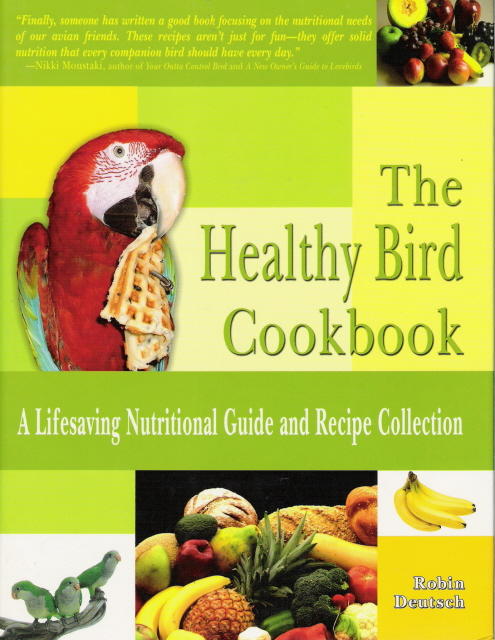
Just discovered this really cool cookbook for birds available at www.naturechest.com/cookbook.html . Lots and lots of fun recipes to try, some even to share with your bird. The birds say we must try some around here this weekend. If you like to cook for your bird(s) we think you will enjoy this cookbook.

The Forgotten Ones

This will truly make you feel the pain of the animals. Have those tissue boxes handy before you click.

Tuesday, September 20, 2005

Another Volunteer's Perspective

From a CT shelter volunteer that just came back from New Orleans:
Hi All, I got home late last night from Louisana. I'm still trying to process everything I've seen and done, not to mention trying to get the stench out of my clothes! We went to the LSU temporary shelter, which is well run and organized. They really have their act together and it's a great place to volunteer. Next stop was the Lamar Dixon Expo Center(aka Gonzales), the large"clearing house" facility. LA SPCA, HSUS, ASPCA, and VMAT are in a power struggle over who is in charge. It is total chaos. They don't have anywhere near enough people to care for the 2000 animals (average) and are turning away rescue groups bringing more animals in after sitting in line for hours. This place is HUGE, and the left hand doesn't know what the right hand is doing. Dogs and cats sit for days waiting for vet care even if illness is obvious. Many do not get out of their crates for 2+ days. There is no leadership, no system, and the animals are suffering. Vet care is obtained when they get the chance, and only after a request is put in the "inbox", which happens to be a bucket. Volunteers are so burnt out they are in tears. There are some very sick animals who are put in makeshift "wards" in the barns. No bleach bucket outside for shoes, and no where near any acceptable level of sanitation."Triage" doesn't happen regularly, not enough vets & vet techs. The Parvo stalls are in the middle of everything......people in & out of them constantly, and going directly in stalls w/"healthy" dogs. All dogs & cats are kept in crates of all kinds. We got yelled at by VMAT for moving a puppy into a wire crate instead of a veri-kennel after being told to do so by HSUS. Don't know if it was because she was a pit pupand therefore most likely not going to make it out of that hellhole after all she'd been thru- she was air-vacced off the 610 bridge- or what. There are huge buses, vans, RV's, tents everywhere, representives of different states for each large group. Animal Planet had their bus there, and PETA was driving in as we were leaving. That's all well & good, but the "negotiations" for control is disgusting. Whoever gets the gov't "grant" (aka "Contract") runs the show, and makes some nice $$. There are pallets of food, water, crates, etc from Walmart, Petco, Petsmart,and a bunch of others. They just don't have enough people to clean &walk all these dogs, let alone feed, water, and med. They DESPERATELYneed more people to do the basic stuff. We hooked up w/Pasado AnimalRescue & did door to door searches for animal survivors in New Orleans.It is mind-blowing how many pets are still alive, though many are goingdown hill fast. Wednesday we did water rescue in an area that was still flooded, and pulled over a dozen dogs out of houses where they were trapped. We found animals alive in homes that were boarded up & barricaded, having to break in using any means necessary to get to them. The stench is unreal, and most homes are booby-traps- furniture and appliances thrown everywhere by the flood waters, the mold, sludge and god knows what makes walking in very dangerous. You DO NOT want to fall and get that stuff on you. The situation changes hour by hour, let alone day by day. They are beginning to release animals to rescues at least.From what I saw, at least 50% of the dog population is Pitbull/Pit-mixes, approx 25% Rotties & Chows, and the remaining 25% every breed you can imagine. Some of the rescues are taking Pits & Rotties, tho Lamar Dixon may not be allowing them out, Pasado & LSU are. I know there are other groups as well. Save A Dog is still there and flying in volunteers. They are also doing door to door rescue in the city now. IF ANYONE CAN GO PLEASE LET ME KNOW! Hotels are not an option. If you go, plan on sleeping in a tent (bring your own), or your vehicle. Personally, I recommend the vehicle.....Fire Ants are everywhere, and from personal experience, they will find you. I spent 2 nights sleeping in a horse stall before they realized I was there (the ants), but once they did, it was all over. Their bite is EXTREMELY painful and leaves blisters that turn into something resembling a pimple. Nothing seems to kill them. Showers are a luxury,if you can get one. Bring your own food & water, medical supplies, Rubbing Alcohol, bleach, etc to decontaminate yourself after handling the animals, who are still covered with dry toxic sewage.This effort will be going on for months, and people will be needed all the way thru. Right now, the dogs & cats (and every other creature you canimagine) are critical. Many are dehydrated and starving, and it is aVERY ugly scene. I hope things will improve. If anyone goes now, beprepared to separate your personal feelings from what needs to be donejust to get these animals some help. Hopefully it will improve over thenext few weeks/months, and someone will be in charge and get thingssomewhat organized. For those who can't turn off their feelings and just do the job as bestthey can, don't go now. Wait until it gets better. If you have a strongstomach, and can stay focused on just taking care of one at a time, youare needed now. Feral dog packs and cat colonies were well established in New Orleansprior to the hurricane......now they are feeding off each other, andwhatever they can find. It is truly horrible. The animal populationproblem is beyond belief. Out of some 300 dogs Pasado Rescue pulled,only TWO males were neutered, and I think ONE female. There are dogs who were severely neglected prior to the hurricane, mange is very prevalent, and god only knows what else. Most of the Pits have had there ears cropped back to their heads...."Home Jobs" done with scissors or knives.The whole thing is just surreal. I did not dream at all while I was down there, probably due to exhaustion- we were up at 6 am and lucky to get to bed by 3 or 4 am. The nightmares are starting now, and I can't get the images out of my mind. I try to focus on the ones we've saved, and pray they get into homes. Enough for now, this is too long as it is, and I'm starting to cry again. Barbara Pepper

Hurricane Katrina Animal Rescue by Julie Burge, DVM

This is a journal of her experiences in Louisiana following Hurricane Katrina.

Update on AFA's Help

Date: Fri Sep 16, 2005 9:12 amSubject: THANKS From Mattie Sue ...From: msathan@aol.comFriday, AMRick Jordan is here with the AFA truck, at last, we are consolidating materials to send east with him intoMississippi, the heart of the devastation. We have been wonderfully inundated with an amazing outpouring of needed supplies. THANKS THANKS THANKS. We probably have most of what we need now except daily stuff like paper towels, toilet paper, computer paper, computer Ink (HP DeskjetPORKCHOP-style black and color ink cartridges) I think we have more coffee than Columbia! And some of it is delicious. If anybody sends any more coffee, could it beCool Brew Toasted Almond -- on, no, that's from the NewOrleans Coffee Company, I wonder if that will be possible to get). THANKS EVERYBODY! We still need people. The first waveof volunteers are pretty close to burnt out from almost-round-the-clock work. Nothing is perfect, but it's looking more and more organized. Instead of simply reacting, we are starting to be able toplan. We have experienced rescue workers on the way (so far, we're long on sweat and enthusiasm and short on disaster experience). One plan at this time is to send every bird home in a better cage than it came in. You'd be amazed at what had been thrown together to get these birds out. A cage that falls apart is a lost bird, and I lost a parrotlet trying to take it down from a high hook still hanging over toxic soup yesterday. We'll have to go back and try to capture that bird today. The military, local police, and highway patrol remain very, very helpful in getting us in. Actually, yesterday, we had one van break down, so we had only two vehicles and we could hardly get out as the highway patrol officers called us over and over to come back for other animals. Then, of course, probably after having to drive off road around standing water (there are still addresses we've been asked to reach that we can'treach),
(Edited by PPN)

New Update on 911ParrotAlert Rescue Work

Here is a link to some pictures taken at Donna's house of some of the birds which have been rescued from the New Orleans area.

Friday, September 16, 2005

Rare Quaker Colors

Check out these beautiful Quakers in all their many wonderful colors!

Can You Help with the 911ParrotAlerts Work in Louisana?

What is needed:
****************
Send donations to Donna Powell, 16365 Woodmere Ave, Baton Rouge, LA 70819. The organization is 911 Parrot Alert. At this time, checks should be made out to Donna Powell. (She is completing FEMA paperwork for the 911 Parrot Alertorganization.)

VOLUNTEERS NEEDED. They need volunteers to help with the birds (give food and medicine, clean cages, assemble cages, etc.). They also need people who can type the band numbers and descriptions of the birds into a database. (A digital camera would be a good idea.)

ACCOMMODATIONS. The volunteers are staying at Donna's house in BatonRouge (80 miles north of New Orleans). There are several bedrooms and sofas and lots of space. They have electricity, water, washing machine and dryer, etc. Bring a cot or air mattress and sleeping bag. If you have a tent or camper, that would be helpful.

EQUIPMENT & WHAT TO BRING. There are a number of volunteers going into New Orleans to rescue birds. This requires rubber boots, long pants, gloves, hard hat, etc. Disposable paper clothes are useful. If you have a shot record, bring it. TAKE SUPPLIES (food, safety gear, etc.)

GETTING THERE -- GAS AVAILABILITY. You'll be able to get gas ifyou're coming from the north or west. Coming from the east, you'll need toget gas BEFORE Pascagoula, Mississippi.

COMPUTERS. They would like a faster computer. Donna's is an older(slow) computer and many people are trying to use it. The could also use a laptop with a wireless card. Mattie Sue said this is the best way to communicate in New Orleans.

BIRD RESCUE. They went into buildings to rescue birds. Some were alive, others had drowned. They did get a couple birds back to their owners. The animal shelters have hundreds of dogs. They're asking the bird rescue folks pick up the birds.

PHONES & HELPING. They don't have the staff to answer the phone and it's extremely hard to call in. There are more calls than the lines can handle. Priority is given to outgoing calls. They ask that is you can help, come. There will be a place for you to stay.

WHAT DO THE BIRDS NEED? Mattie Sue asked for toys for the small birds. There are(correction) about 300 birds. A large number of them are cockatiels and budgies.

INFO FROM TEXAS BIRD GROUPS. There are trucks from the Houston area taking supplies to Donna's home/911 Parrot Alert on Thursday, Friday, andSaturday (September 14-16).

Here's another e-mail from Mattie Sue (09/13/05): Subject: Re: Sense of order (lack of) Date: Tue, 13 Sep 2005 22:59:57 - 0400 Donna picked up 50 and KARE picked up 38 and we got about 30 from LSU,so more than 100 came in on Monday. Yes, we still need lots of help, but we need it in a concerted way, including administratively gifted individuals who can do more than get birds, wash cages, wash toxic soup off emaciated survivors. We made it into the city today. Nightmare like something from a science fiction movie. Mold and high water mark and starving dogs foaming at the mouth in deserted streets. Luckily we had lots of dog food to strew on the streets. Saw an expensive collection of mostly macaws, bodies of drown birds, if only they had raised the cages. The water made it just to the top of the cages and the birds drown in their cages. Three blue and golds managed to escape (well, they were pairs, so there were probably four, but we didn't stay in the mold and chemical covered room to find the other body) and survived because they weren't locked in their cages. Yes, we may have 500 by the weekend, but we still need help doing exams and evaluations and cataloging, monitoring, planning appropriate diets, trying to find owners of, and caring for the 200-300 we have. We were able to return two cages of small birds to their happy owners today. FEMA is convinced that the owners will come back to Louisiana to reclaim their pets within two weeks. It will be interesting to see if that happens. xoxoxo, ms

Update on Hurricane Katrina Relief by 911ParrotAlerts

Via the internet we have received the following email that was sent out by Mattie Sue Atham who has flown down to help with the relief work in Louisana being done by Donna Powell with 911ParrotAlerts:
***********************
On Mon, 12 Sep 2005 11:09AM "Mattie Sue Athan" writes:Weather is nice, water is drinkable, there is power, but otherwise the bird rescue situation is awful down here, need people to feed babies, medicate sick and injured birds, go pickup birds, assemble cages, feed, clean, build. More than a hundred birds already here, more than a hundred coming in today, expect 400-500 by the weekend. Companion, breeder and baby birds being sent here from LSU Veterinary School and many local shelters which are overflowing with dogs. Don't call, don't write, just come to Donna's house at 16365Woodmere Ave, Baton Rouge, LA 70819, my phone number is918-812-1099, but T-mobile towers are iffy here.Please. Many hands and minds are needed. ... If anybody can't come, but they have a friend who can, but can't afford the gas(it's $2.49/gal here, maybe a freeze on prices), give them money and put them into the car. There are a dozen or so volunteers here. Everybody left to go pick up more birds. I'm supposed to medicate, haven't slept, having trouble understanding meds directions. It's far, far, worse than I imagined. I've got a fresh bottle of whiskey, but no coffee. I'm drinking water. What a nightmare.

Thursday, September 15, 2005

911ParrotAlert Helping Katrina Victims

The Nature Chest Bird Shop and two very generous customers have been aiding the relief effort being provided by 911ParrotAlert in the Lousiana area affected by Hurricane Katrina. This group is providing a much needed help to the birds and their humans affected by this storm. Here is a description of the group:

911 Parrot Alert is a young but growing organization (founded by Donna Powell in June of 2004) with the sole mission of finding, rescuing and returning lost or stolen companion birds to their rightful families. This organization is a major web presence, with over 3,000 members working in concerted effort to save every bird, one at a time, and reunite it with their family if possible.

When Katrina struck New Orleans, 911ParrotAlert responded immediately by answering distressed summons’ from evacuated or evacuating households to rescue and foster their feathered pets until their owners could come back and claim them, as in many cases owners were not given the option to bring their animals with them to shelters. 911ParrotAlert is currently based in Baton Rouge, which was far enough away to avoid a lot of the disaster but close enough to be useful in recovery efforts. Offering direct rescue and long-term sanctuary is considerably beyond the scope of 911ParrotAlert, which is normally just to find and return lost birds, but the crisis and resultant needs were too great to ignore.

911ParrotAlert works very closely with Dr. Tully at Louisiana State University to care for and maintain these parrots until they can be reunited with their owners. Contact has been made with the American Federation of Aviculture, ASPCA, HSUS, KARE and other animal welfare groups, to recover and maintain exotic birds left behind or escaped during the hurricane. Both K.A.R.E (Knapptime Adoption Rescue and Education) and Mattie Sue Athan, the well-known author of companion parrots, have traveled from their respective bases to directly lend their hands in this crisis.

911 Parrot Alert members have organized into Task Force Teams, soliciting donations of cages, food, supplies, veterinary assistance and transportation to deliver them to the areas where rescued birds are being cared for. The response has been overwhelming and the 911 volunteers are tireless in their endeavors to save these birds from starvation, disease and death. Veterinarians, avian caregivers and administrative support people are flowing in from all over the US and Canada to help, on-site, with this mission.

Donation & disaster-related information may be obtained via Internet at www.911parrotalert.com

Saturday, September 10, 2005

Hurricane Katrina

Here is a page to help you find a rescue and relief group to aid the victims of Hurricane Katrina, both humans and birds and animals. Thank you for your help.

Saturday, August 27, 2005

Are Paper Towel Cardboard Rolls Safe for your Bird?

We have received the following notice that is circulating around the Net about those cardboard rolls from paper towels. The warning we believe would also apply to the cardboard rolls of toliet paper as well. Since we tend to err on the side of caution when it comes to our feathered friends we though we would pass it along as well.
************************************************************

"NEWSFLASH: Paper Towel Rolls Potential Zinc Poisoning
Source!", by 'Parrots Secrets' Newsletter Editor

============================================================

Many of us have allowed our parrots to play with and shred
paper towel cores after we've used the entire paper towel
supply from the core.

This has appeared to be harmless and I was very shocked to
learn that it could be harmful! Had I not seen an email from
Kimberly-Clark, one of the manufacturers of paper towels and
toilet paper, I might not have believed this information.

Zinc toxicity is very serious and can kill a parrot if it
is severe. Kidney damage, upset digestion, feather plucking
and increased water intake are all signs of zinc poisoning.

Other symptoms include vomiting, loss of appetite and larger
than usual green droppings. Sudden death, unfortunately, is
another sign.

Cockatoos are especially sensitive but no parrot is exempt.
If you do, however, have a cockatoo that plucks feathers
and nothing has resolved the problem, ask your vet to check
for zinc in the parrot's blood.

I was aware of zinc toxicosis (a big word for zinc poisoning)
in parrots, but had always heard that the most common cause
was older cages or the use of galvanized wire in aviaries.

Using washers containing zinc to attach toys to a parrot's
cages is another potential cause of zinc poisoning that I
had heard of.

However, I was shocked to learn that the adhesive used to
attach the first sheet of paper towel to the cardboard core
has resulted in some parrots being diagnosed with zinc
toxicosis. This same adhesive can be present in toilet
paper rolls also.

When making sure you do not give your parrot any zinc-containing
products, watch out for anything made of metal that is dull
and creates a whitish dust.

Padlocks and some hangers used for toys are often culprits.
Paints and varnishes and adhesives, pennies, curtain or blind
weights, keys, costume jewelry, tile, duct tape, and hardware
around the house are all potential sources of zinc that could
poison your parrot.

Blood tests are the only accurate diagnosis tool for this
serious poisoning. Be very cautious of what you give your
parrot to play with and what you use inside the cage!

Kimberly-Clark's statement regarding this adhesive says:

"Although the core glue is safe for its intended use, it
is not intended to be ingested. It is not food grade and
does not meet indirect food contact regulations. Therefore,
we cannot recommend that it be used with pets".

Saturday, August 20, 2005

Does Your Bird Get Enough Exercise?

Sometimes we forget how inactive our birds really are. They often stay in cages too small to actually fly in. They are often carried about by their humans so there is no need to fly around to get somewhere. We even bring their food to them each day so they don't have to get out and go forage for dinner. Exercise is very important to our birds not only for their physical health, but for their mental wealth as well. Here is a link to an interesting article written on exercise and parrots. You might want to do some seraching around the Internet and find some suggestions on ways to help your bird increase its activity level. Flapping in place while you gently hold your bird's feet can help get things started just be careful not to hold too tight as well as not letting go causing your bird to fall. Providing climbing ropes, rings and ladders can get them moving as well. Ever watched a parrot chase a ball? Many will and do enjoy playing with their humans in active safe bird games. Has your bird ever had a toy it just seemed to really hate and was always beating the toy up? Well, whipping that toy into shape might actually be good exercise for your feathered friend. Burns up a few birdie calories making that toy behave. A couch potato bird can learn to become a more active companion whether flighted or clipped with a few good birdie exercises.